Trauma, PTSD, and C-PTSD
Trauma, complex post-traumatic stress, chronic stress, adversity, and experiences that remain difficult to name or resolve.
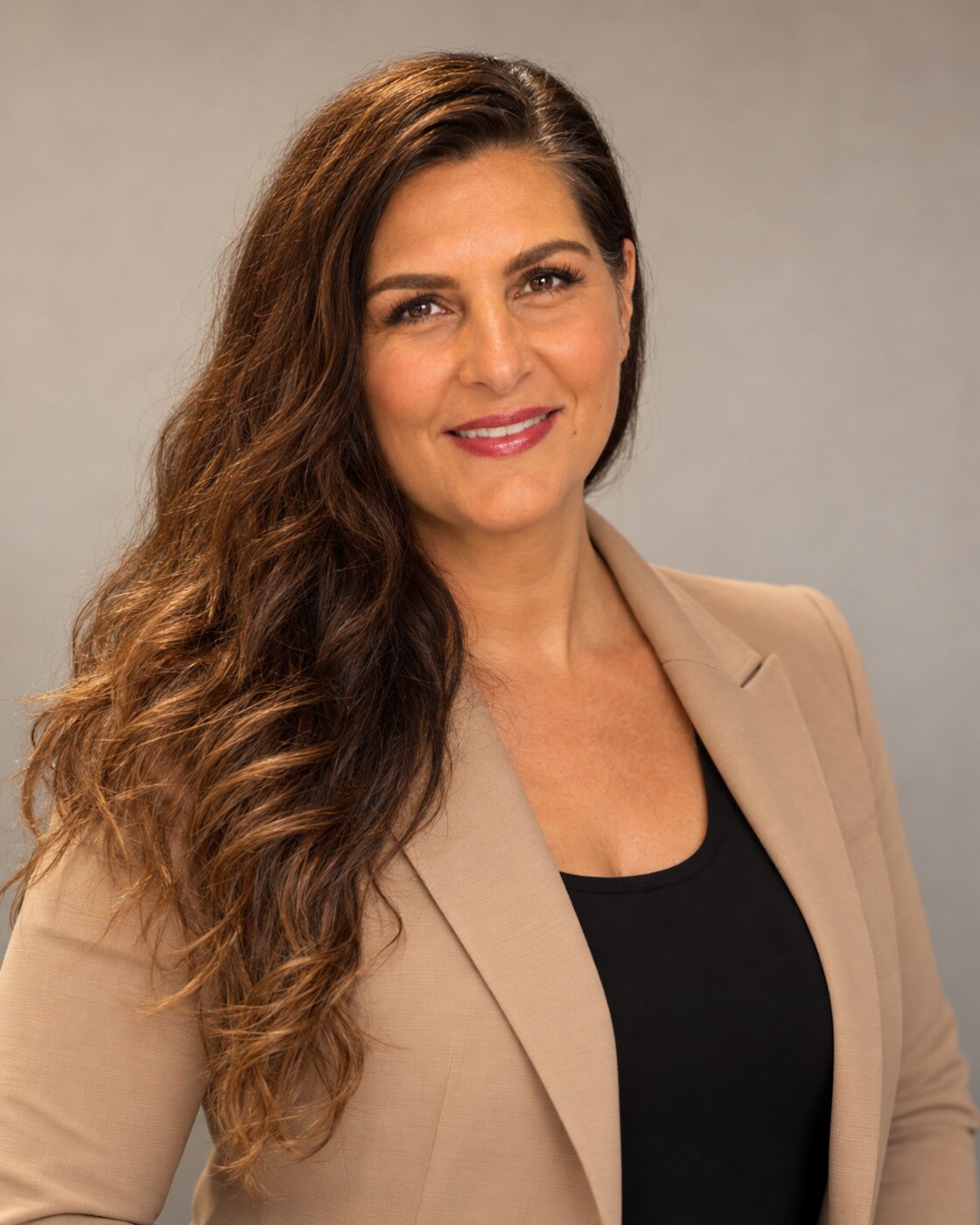
Therapy for adults throughout Hawaiʻi
I help adults work through trauma, anxiety, burnout, mood concerns, recovery, and major life transitions—with practical tools, direct conversation, and nervous-system education that makes sense in real life.
What I treat
You do not need the perfect diagnosis or a neatly organized explanation before reaching out.
Many of my clients are capable, thoughtful people who have become very good at enduring. We begin by understanding what is affecting your life and what kind of support may help.
Trauma, complex post-traumatic stress, chronic stress, adversity, and experiences that remain difficult to name or resolve.
Overthinking, vigilance, panic, overwhelm, irritability, and difficulty feeling settled or safe.
Depression, bipolar disorder, emotional distress, loss of motivation, and changing mood patterns.
Sleep disruption and insomnia treated with Cognitive Behavioral Therapy for Insomnia (CBT-I), in which I am certified.
Reentry, incarceration-related trauma, court or mandated services, institutional systems, and the stress of navigating behavioral health alongside the justice system.
Compassion fatigue, work stress, caregiving, grief, menopause-related change, and major life transitions.
Substance-use concerns, recovery, relapse prevention, and the relationship between coping, trauma, and behavior.
Nervous-system regulation, coping skills, self-esteem, body image, and learning to respond differently under stress.
Telehealth is available statewide in Hawaiʻi, with limited in-person availability.
Experience rooted in Hawaiʻi
I began in community-based case management and have worked across therapy, psychosocial rehabilitation, substance-use services, justice-involved reentry, program leadership, education, and provider training.
How I work
The method should serve the person. The person should never have to perform for the method.
My work is trauma-informed, body-aware, collaborative, and grounded in established approaches. I translate clinical concepts and physiology into language you can understand and use.
Cognitive Processing Therapy and trauma-focused approaches for experiences and beliefs that remain unresolved.
CBT, DBT-informed skills, Problem-Solving Therapy, and Solution-Focused Brief Therapy.
Somatic approaches, mindfulness-based work, nervous-system education, and polyvagal-informed care.
Motivational Interviewing, Compassion-Focused Therapy, strengths-based care, and Positive Psychology.
CBT for insomnia and menopause-informed support for physiological, emotional, and relational changes.
Appropriate art-based interventions and other evidence-informed strategies selected for your needs.
You will not be treated like a collection of symptoms—or handed a string of clinical terms and expected to determine what they mean.
Credentials
I bring clinical experience, nervous-system education, somatic awareness, and directness into the room.
Access and referrals
Appointments begin with a brief screening to determine whether my services match your needs. You can request an appointment securely online.
Request an appointmentPrefer email? elaine@sparkproject.netPlease use email for scheduling or general inquiries only and do not include sensitive health information.
Hospitals, clinics, physicians, case managers, therapists, insurers, and community agencies may contact the practice to discuss availability or submit a referral.
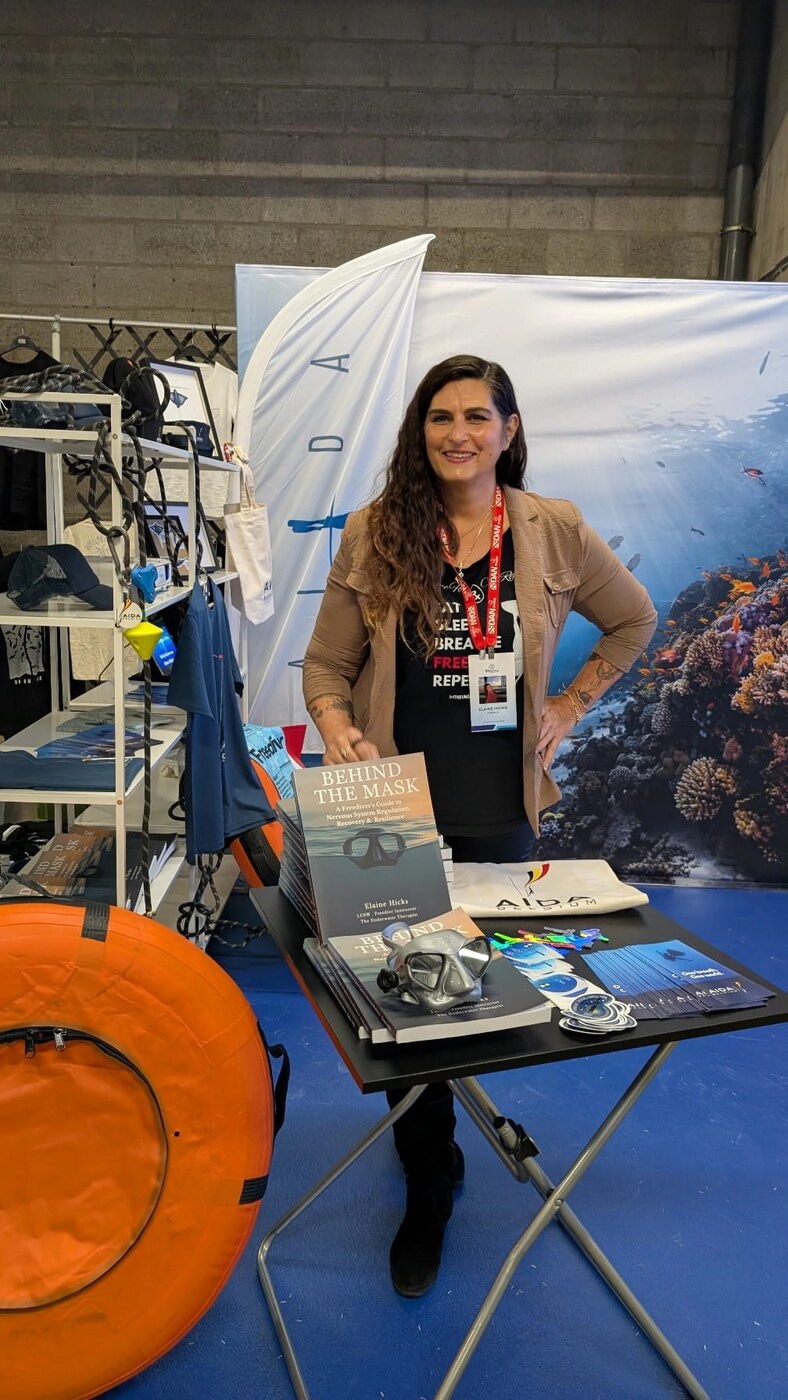
Meet Elaine
I’m Elaine Hicks, LCSW, CSAC. I listen carefully, ask difficult questions, and respectfully call attention to patterns that may be costing you more than they are protecting you. Our work can include practical tools, nervous-system education, new ways of understanding your responses, and—when useful—something to explore between sessions.
I am also known as The Underwater Therapist, an author, educator, and freediving instructor. My broader work examines trauma, human physiology, and the conditions that allow people to feel safe enough for choice, connection, and skill to return.
Getting started
Begin with a brief screening so we can talk about what is happening, what you need, and whether my approach is the right fit. You do not need a perfect explanation before reaching out.
Request an appointment